

Table of Contents
ToggleForget the ornamental shrubs that serve no purpose beyond looking green. Growing food in your front yard merges practical self-sufficiency with genuine curb appeal, a win that doesn’t require a suburban homestead mindset. Edible landscaping isn’t about sacrificing aesthetics for productivity: it’s about choosing plants that do double duty: look good from the street and fill your kitchen with fresh herbs, vegetables, and fruit. A well-planned edible front yard can reduce your grocery bill, provide fresher produce, and turn your home into a neighborhood conversation starter. It’s a practical investment that actually pays dividends.
Key Takeaways
- Front yard edible landscaping replaces ornamental shrubs with productive plants that enhance curb appeal while reducing grocery costs and providing fresh herbs, vegetables, and fruit year-round.
- Assess your site’s sunlight (aim for 6+ hours daily) and soil quality before planting; amend poor soil with 2-3 inches of compost or use raised beds for complete control over growing conditions.
- Design visually appealing edible landscapes with height variation, colorful varieties like purple cabbage and ‘Bright Lights’ chard, and flowering herbs that attract pollinators while maintaining an intentional aesthetic.
- Choose low-maintenance perennial plants and herbs like rosemary, thyme, and sage that thrive with minimal care, plus berry bushes and dwarf fruit trees for years of productive harvests.
- Install mulch, drip irrigation on timers, and group plants by water needs to reduce weekly maintenance to just set-it-and-forget-it gardening while maximizing food production.
Why Edible Landscaping Makes Sense For Modern Homeowners
Most front yards are a monoculture of ornamental plants that attract bugs, demand regular trimming, and contribute nothing to your household. Edible landscaping flips that script. You’re replacing dead weight with plants that actively contribute to your life, fresh tomatoes in summer, leafy greens in spring, and herbs that cost $8 a bundle at the grocery store.
Beyond the practical payoff, there’s a psychological benefit. Walking outside to snip basil for dinner or pick ripe strawberries changes how you relate to your property. It’s ownership in the truest sense. Plus, neighbors notice. A thoughtfully designed edible front yard communicates intentionality and care, something that raises perceived property value even if it doesn’t technically appear on appraisals.
The food security angle matters too. In an uncertain world, having a portion of your diet growing steps from your door is genuinely reassuring. You control what goes on the plants (pesticides, fertilizers, or none at all), know exactly where your food comes from, and harvest at peak ripeness rather than whatever was picked three days ago and shipped across the country.
Planning Your Edible Front Yard Layout
Assessing Sunlight and Soil Conditions
Before buying a single plant, spend a week observing your front yard. Most edible plants, vegetables, fruiting shrubs, and productive herbs, need at least 6 hours of direct sunlight daily. Less than that, and you’ll struggle with weak growth and sparse harvests. Walk your front yard at different times of day. Note where shadows fall and how long sun hits each spot. North-facing yards are tougher: you’ll need to focus on shade-tolerant crops like leafy greens and some herbs.
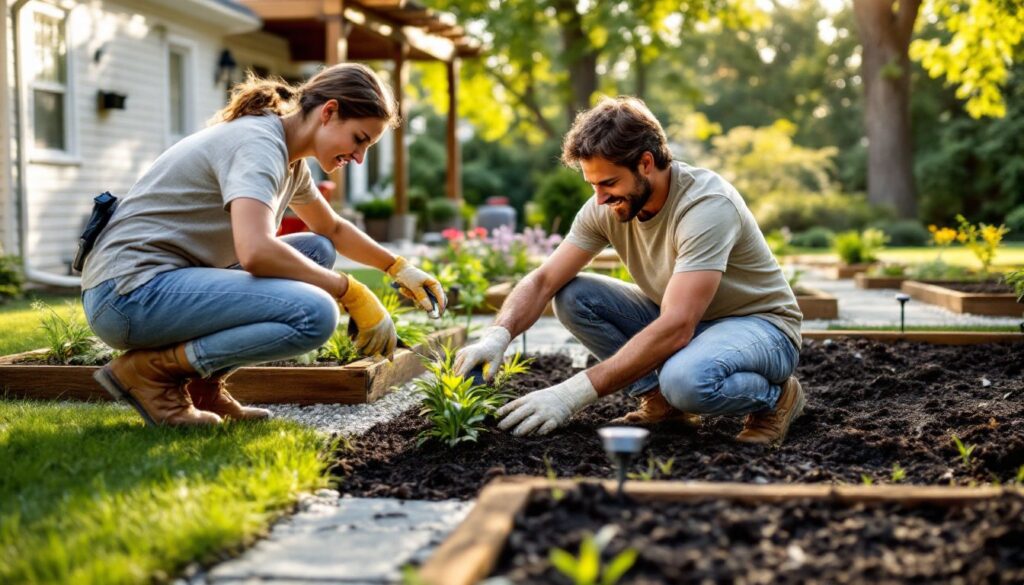
Soil is equally critical. Dig a small hole and look at what comes up. Dark, crumbly soil with visible organic matter is ideal. Clay-heavy or compacted soil? You’ll need to amend it with compost before planting anything demanding. Most vegetables want soil that drains well but holds moisture, roughly 2 to 3 inches of compost worked into the top 8 to 12 inches makes a dramatic difference. If your soil is truly poor, building raised beds or containers gives you complete control over soil quality and is a cleaner look anyway.
Designing For Visual Appeal and Functionality
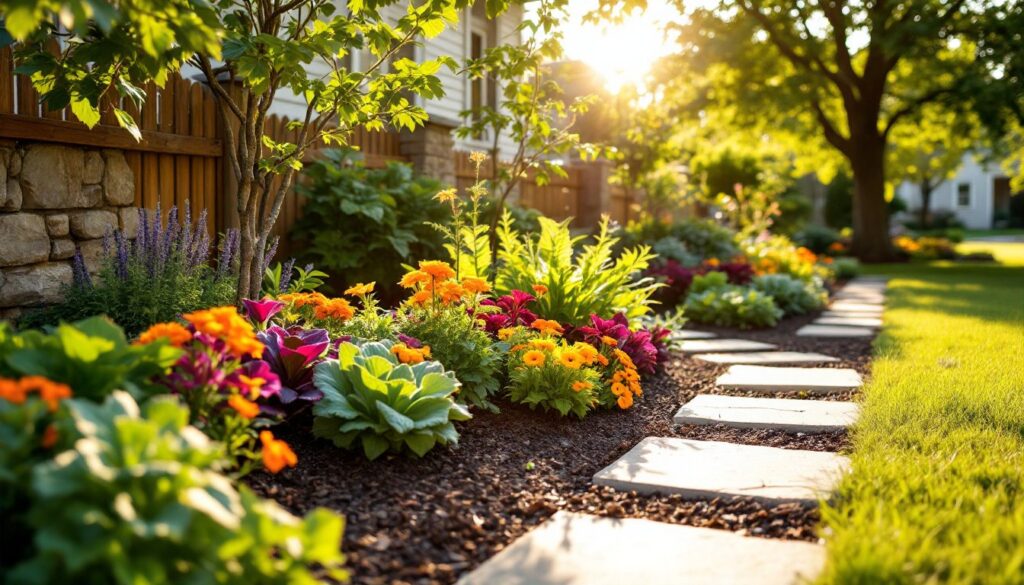
Edible doesn’t mean it has to look like a farm stand. Height variation is your friend: plant taller plants (like espaliered apple trees or tall herbs) in the back or against the house, mid-sized shrubs in the middle, and low-growing crops like lettuce or thyme in front. This creates visual interest and ensures everything gets adequate light.
Color matters. Ornamental vegetables like purple cabbage, golden beets, or ‘Bright Lights’ chard bring visual punch that makes even a vegetable planting look intentional. Ruby-colored leafy greens, variegated herbs, and flowering plants (herbs like rosemary and sage flower beautifully) add texture and attract pollinators. Group plants by water needs so you don’t over-water drought-tolerant Mediterranean herbs while your tomatoes dry out. Use pathways or stepping stones to create clear zones, it signals to visitors that this is a designed space, not a messy garden accident.
Best Plants and Vegetables For Front Yard Growing
Successful edible front yards rely on plants that are both productive and attractive. Herbs are the foundation: rosemary, thyme, sage, and oregano are nearly indestructible, look tidy, and require minimal fussing. They tolerate poor soil and dry conditions, making them ideal for neglectful stretches. Perennial varieties mean you’re not replanting annually.
For vegetables, focus on those that look good as they grow. Swiss chard (especially colorful varieties), kale, and leaf lettuce can be harvested repeatedly without killing the plant, an efficient use of space and visually interesting since they stay in place for months. Compact determinate tomato varieties work in containers or small beds and produce heavily over a season. Berry bushes, blueberries, raspberries, and currants, are genuinely ornamental while producing fruit for years. Dwarf fruit trees, especially when espaliered (trained flat against a fence or wall), are space-efficient and sculptural.
Fruit trees deserve mention: semi-dwarf apple, pear, or cherry trees on the right rootstock stay manageable in size and produce abundantly. Work with a local nursery to pick varieties suited to your hardiness zone. Vining crops like pole beans and cucumbers can climb trellises that double as architectural features. When choosing varieties, prioritize ones that fruit prolifically over a long season rather than a single flush, you want constant harvest, not everything ripening at once.
Ornamental-edible hybrids are your secret weapon. Nasturtiums are fully edible (flowers and seed pods), gorgeous, and pest-repelling. Chives and garlic chives flower in beautiful purples and whites. Strawberry plants create a lush ground cover while producing fruit. The more your front yard reads as “intentional design” rather than “vegetable plot,” the more convincing it becomes.
Low-Maintenance Edible Landscaping Ideas For Busy Homeowners
If you’re not the type to fuss over plants daily, focus on perennial crops and hardy plants that thrive with minimal intervention. Perennial herbs like rosemary, sage, and thyme come back year after year in most climates and actually perform better if you don’t baby them. Fruit trees and berry bushes are similarly hands-off once established, prune them once yearly, and you’re mostly done.
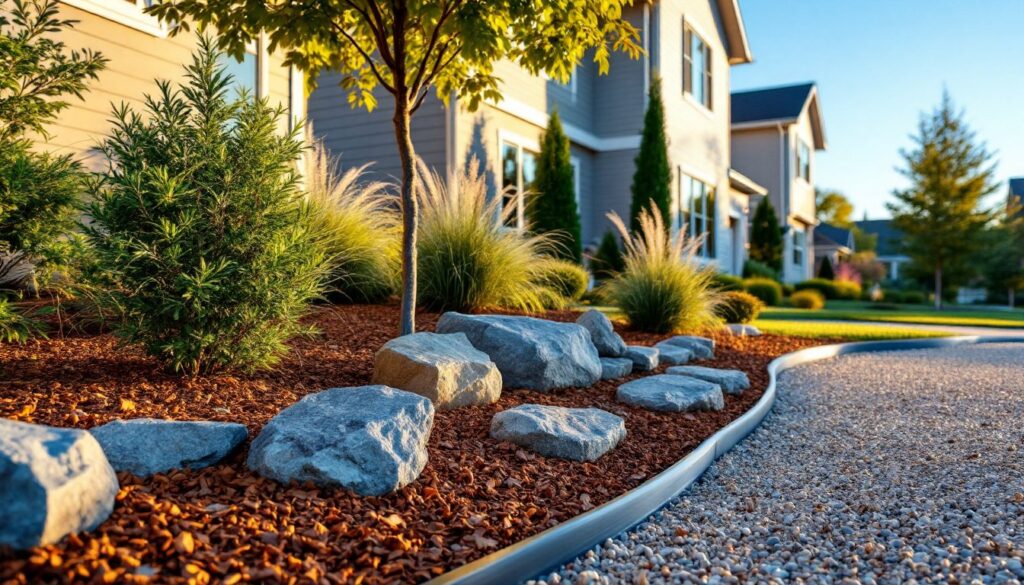
Raised beds or containers simplify everything: they’re easier to weed, less prone to pest problems, and you control the soil quality completely. Landscaping on a Budget covers cost-effective ways to build these structures. Mulch is your time-saving secret. A 2-inch layer of wood chip mulch suppresses weeds, retains soil moisture, and keeps roots cool. Use it everywhere in your edible front yard, it looks intentional and cuts watering frequency by half.
Automatic drip irrigation or even a simple soaker hose on a timer transforms water management from daily chore to set-it-and-forget-it. Most vegetables need about 1 inch of water per week: a timer lets you dial that in precisely without daily watering. Group plants by water needs to keep things simple: drought-tolerant herbs in one bed, thirstier vegetables in another with its own irrigation line.
Forget trendy but demanding crops. Instead, plant the reliable producers: lettuce (resows itself), perennial kale, berry bushes, and herbs. These require minimal pest management and forgive the occasional missed watering. Ornamental aspects like color-coordinated planting or pathways aren’t actually maintenance-heavy, they’re design decisions you make once at the start. Creative Landscaping can inspire layouts that look polished without demanding constant attention. Plant densely enough that weeds get squeezed out: sparse plantings need more weeding. The goal isn’t perfection, it’s a system that produces food with minimal weekly effort.
Conclusion
Edible front yard landscaping isn’t a passing trend, it’s a practical upgrade that delivers beauty, fresh food, and genuine utility. Start small, observe your site conditions, and choose productive plants that genuinely interest you. Success builds quickly, and the payoff, both in harvests and curb appeal, justifies the planning effort from day one.