


Table of Contents
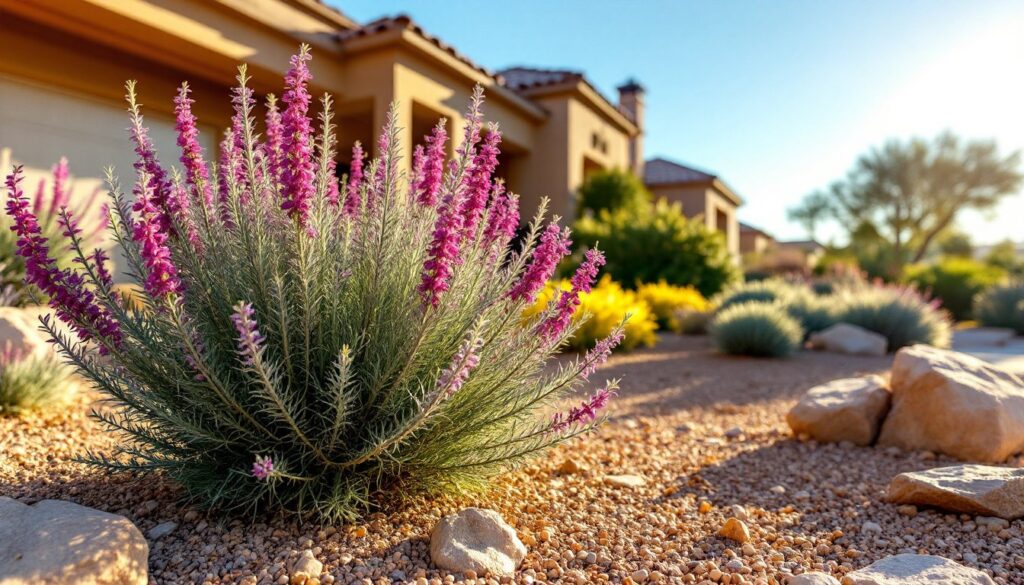
ToggleTexas sage (Leucophyllum frutescens) is the secret weapon for homeowners in arid and semi-arid climates who want a striking front yard without the water bill guilt. This woody shrub blooms in vibrant pinks, purples, and whites, often triggered by late-summer monsoon rains, and thrives on neglect. It’s tough, low-maintenance, and naturally adapted to tough conditions, making it ideal for anyone tired of babying traditional landscape plants. If you’re looking to transform your front yard with something that actually belongs in your climate, Texas sage landscaping delivers both beauty and practicality.
Key Takeaways
- Texas sage landscaping transforms front yards into drought-resistant, low-maintenance spaces with vibrant blooms triggered by natural weather patterns.
- Select the right Texas sage variety for your USDA hardiness zone—hardy Leucophyllum frutescens for zones 8–10, or specialized cultivars for specific climate conditions.
- Proper site preparation and drainage are critical: ensure 6–8 hours of direct sunlight daily and amend heavy clay soil to prevent waterlogging at the root collar.
- Plant Texas sage in spring using amended soil, then step back and avoid overwatering—it thrives on neglect and rarely needs fertilizer or pest management once established.
- Pair Texas sage with complementary low-water plants like salvias and ornamental grasses, or use it as a focal point mass planting for modern, cohesive landscape designs.
Why Texas Sage Is the Perfect Front Yard Plant
Texas sage checks every box a drought-conscious homeowner wants. This shrub requires minimal water once established, usually just occasional deep watering during extreme heat or extended dry spells. It’s not fussy about soil quality, tolerates full sun (and actually prefers it), and rarely needs pruning. Pests and diseases rarely bother it, so you won’t be mixing fungicides or battling spider mites.
The real showstopper is the bloom cycle. Texas sage flowers appear in waves, often triggered by temperature drops or humidity spikes after hot, dry periods. This means your front yard can suddenly burst into color when you least expect it, a built-in reward for restraint. The shrub grows 4 to 8 feet tall depending on variety, giving you flexibility for layering in landscape designs. It’s not just a water-saver: it’s a lifestyle choice that says you respect your climate rather than fighting it.
For those weary of maintaining thirsty ornamentals, Texas sage is refreshingly honest: it wants sun, decent drainage, and otherwise asks for nothing.
Selecting the Right Texas Sage Varieties for Your Climate
Texas sage isn’t one plant, it’s a genus with several varieties suited to different conditions and aesthetic preferences. Leucophyllum frutescens (the common Texas sage) is the hardiest, surviving freezes down to about 10°F and thriving across the Southwest. It produces pink, purple, or white flowers and is your go-to if you’re in USDA zones 8-10.
Leucophyllum laevigatum (chisos sage) is slightly more tender, better for zone 9+, but offers dusty pink blooms and a more refined, upright habit. Leucophyllum minus (littleleaf sage) is the compact option, reaching only 3 to 4 feet, perfect for tighter front yards. If you want something with silvery foliage for year-round color contrast, Leucophyllum candidum (white Texas sage) delivers pure white flowers against pale gray-green leaves.
Check your USDA hardiness zone first. In borderline climates (zones 8-9), place Texas sage on the south- or west-facing side of your home where reflected heat protects it in winter. If you’re in zone 10 or hotter (like Phoenix or El Paso), nearly any variety thrives. Visit a local native plant nursery to see mature specimens: this matters more than mail-order photos because you’ll understand real-world size and shape in your area.
Site Preparation and Soil Requirements
Site prep is where most front yard landscaping projects succeed or stall. Start by assessing sun exposure, Texas sage demands at least 6 to 8 hours of direct sunlight daily. Morning sun is best if you’re in extreme climates: afternoon shade helps in zones 9-10, but don’t skimp. Mark your planting spot on a sunny day so you’re not guessing.
Texas sage tolerates poor soil but abhors waterlogging. If your front yard drains poorly (water pools after rain), you’ll need to address this before planting. You can amend heavy clay with coarse sand and compost to improve drainage, but honestly, if your soil holds water for days, consider mounding or raised planting. The root collar (where the trunk meets the roots) must stay dry: rot kills Texas sage faster than anything.
Test your soil pH if possible. Texas sage is adaptable and handles 6.5 to 8.5 pH, so most soils work. If you’re starting from scratch, mix native soil 50/50 with coarse sand and well-aged compost (or mulch): skip peat moss, which holds too much water. Dig a hole about 1.5 times wider than the root ball and just as deep, no deeper, or the plant will settle and drown. Amend the backfill soil the same way.
Planting Texas Sage Like a Pro
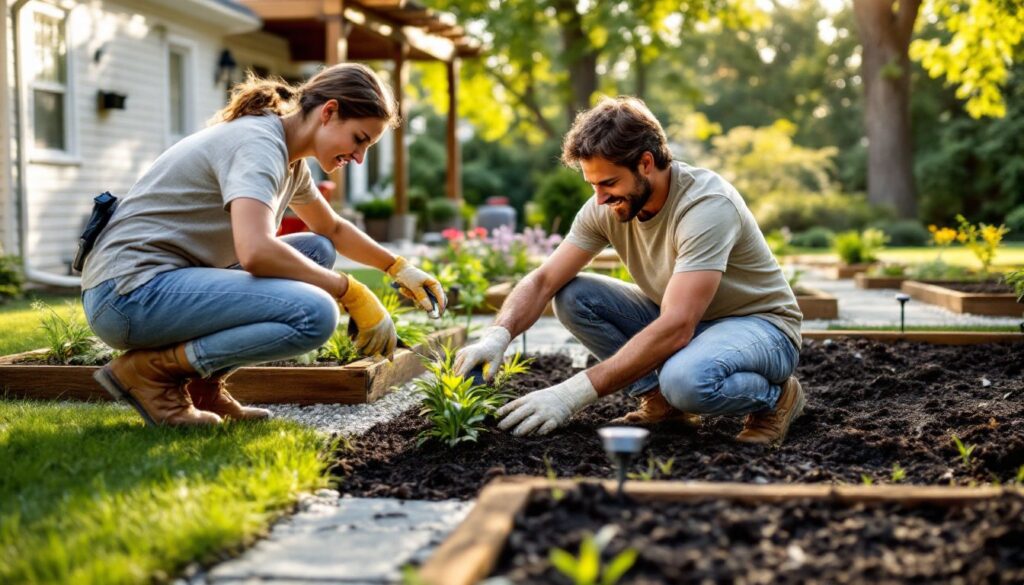
Spring planting (after frost danger passes) is ideal, though fall works in mild zones. Here’s the step-by-step process.
1. Prep the planting hole. Dig the hole 1.5 times wider than the root ball and the same depth. Don’t dig deeper: Texas sage doesn’t need a deep hole, and deeper is riskier for rot.
2. Loosen the root ball gently. If the plant is rootbound, carefully comb apart the outer roots with your fingers, don’t yank them apart. This helps roots establish into the surrounding soil.
3. Position and backfill. Set the plant in the hole so the top of the root ball is level with (or slightly above) finished grade. Backfill with amended soil, tamp gently as you go, and water thoroughly to settle the soil and eliminate air pockets.
4. Mulch, but keep it back. Apply 2 to 3 inches of coarse wood chips or gravel around the base, but leave 4 to 6 inches clear around the trunk. Mulch piled against the stem invites rot and pest problems.
5. Water deeply, then step back. Give it a thorough watering, then resist the urge to coddle it. Water occasionally during the first growing season if it’s brutally hot or dry, but don’t establish a daily watering habit. Overwatering kills Texas sage faster than drought.
Maintenance Tips for Year-Round Success
Once established, Texas sage demands almost nothing. Water deeply every few weeks during the first year to help roots develop, then back off. In most climates, it relies on rainfall alone after year two, even in dry regions, it might need a drink during extreme heat waves, but that’s it.
Pruning is optional. Texas sage naturally forms an attractive mounding shape: light pruning after flowering tidies it up if desired. Avoid heavy pruning or shearing: it’s not meant to be a formal hedge. If a branch gets frost-killed in winter, prune it back to healthy wood in spring.
Fertilizer isn’t necessary. Texas sage evolved in nutrient-poor soils and actually performs worse with excess nitrogen, which encourages weak, floppy growth and fewer flowers. A light application of balanced slow-release fertilizer in spring is fine if you feel compelled, but skip it, residential landscaping often improves when you resist over-managing.
Pests and diseases are rare. Occasional spider mites or scale bugs appear in severe heat but rarely threaten the plant’s survival. If you spot issues, a strong spray from the hose often solves it: chemicals are overkill. Watch for root rot if the plant suddenly wilts and doesn’t recover with watering, that means drainage failed and the plant may be beyond saving, which is a site problem, not a plant problem.
Design Ideas to Enhance Your Front Yard
Texas sage pairs beautifully with other low-water plants for a cohesive, modern front yard. Combine it with salvias, desert marigold, and ornamental grasses for layered color and texture. Ground-hugging sedums or gravel mulch keep things clean and sustainable.
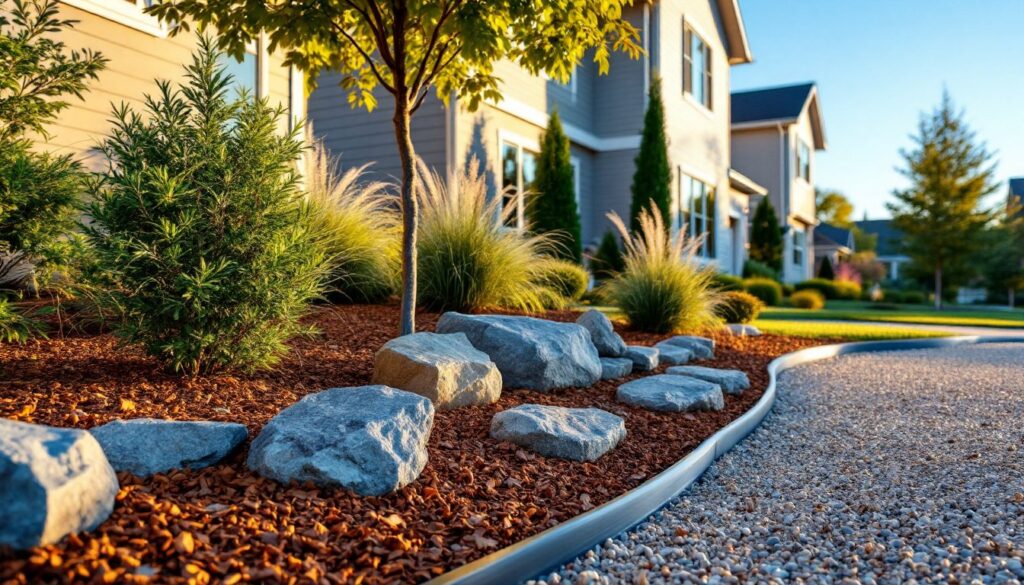
For a rustic, Mediterranean vibe, pair Texas sage with boulders or decomposed granite. The silvery foliage of white Texas sage varieties bounces light off stone beautifully, especially at dusk. In more contemporary designs, use Texas sage as a focal point mass planting, three to five shrubs spaced 5 to 6 feet apart create impact without crowding.
Height variation matters in small spaces. Tall Texas sage varieties (6 to 8 feet) work as privacy screens or backdrops: smaller cultivars suit foundation plantings. Small front porch landscaping ideas often benefit from one well-placed Texas sage flanking an entry, balanced with low plantings on the opposite side.
If budget is a concern, landscaping on a budget is achievable by starting with Texas sage and filling in gradually, it’s a backbone plant that improves with age. Many gardeners find inspiration in country-style landscaping approaches that embrace native and adapted plants rather than fighting climate. For further exploration of salvias and their cousins, browse available selections at specialty sources to see what thrives locally.
Conclusion
Texas sage landscaping is straightforward once you understand the plant’s needs: sun, good drainage, and the confidence to let it do its thing. It transforms front yards into drought-tough, beautiful spaces without guilt. Start with the right variety for your hardiness zone, prepare the soil properly, plant it right, and then enjoy years of low-maintenance color and texture. Your water bill, and your peace of mind, will thank you.