




Table of Contents
ToggleFlorida’s front yard landscaping presents both opportunity and challenge. The state’s tropical and subtropical climate demands plants and designs that thrive in heat, humidity, and sandy soil, not the temperate conditions typical landscaping guides assume. Rather than fighting nature, smart homeowners work with it. This guide covers seven proven approaches to create a stunning, low-maintenance front yard that actually survives Florida’s weather year-round, saves water, and increases curb appeal without constant battling against the elements.
Key Takeaways
- Front yard landscaping ideas for Florida should prioritize heat and humidity-tolerant native plants like sabal palms, coontie, and lantana rather than traditional temperate species that fail in tropical conditions.
- Water-wise landscaping through xeriscaping, mulch layers, drip irrigation systems, and rain barrels addresses Florida’s paradox of frequent rainfall combined with sandy soil that drains too quickly.
- Permeable pavers, landscape edging, and raised planters create stable, low-maintenance hardscape that prevents erosion and improves curb appeal without fighting Florida’s shifting sandy soil.
- Proper soil amendment by working 2–3 inches of compost into planting beds—rather than complete soil replacement—improves water retention and nutrient availability in Florida yards affordably.
- Address Florida’s unique landscaping challenges by spacing plants for airflow, installing swales or raised beds in flood-prone areas, and selecting salt-tolerant species in coastal regions.
- Avoid high-maintenance plants like crepe myrtles, azaleas, and cool-season grasses; choose bahia, zoysia, or St. Augustine grass and rely on Florida-adapted alternatives that thrive year-round with minimal intervention.
Best Plants and Trees for Florida’s Tropical Climate
Choosing the right plants makes the difference between a thriving landscape and a graveyard of brown stems. Florida’s USDA hardiness zones (8–11, depending on location) and high humidity mean traditional ornamental plants often fail. Instead, focus on native and adapted species that handle heat, moisture, and salt spray near coastal areas.
Heat and Humidity-Tolerant Options
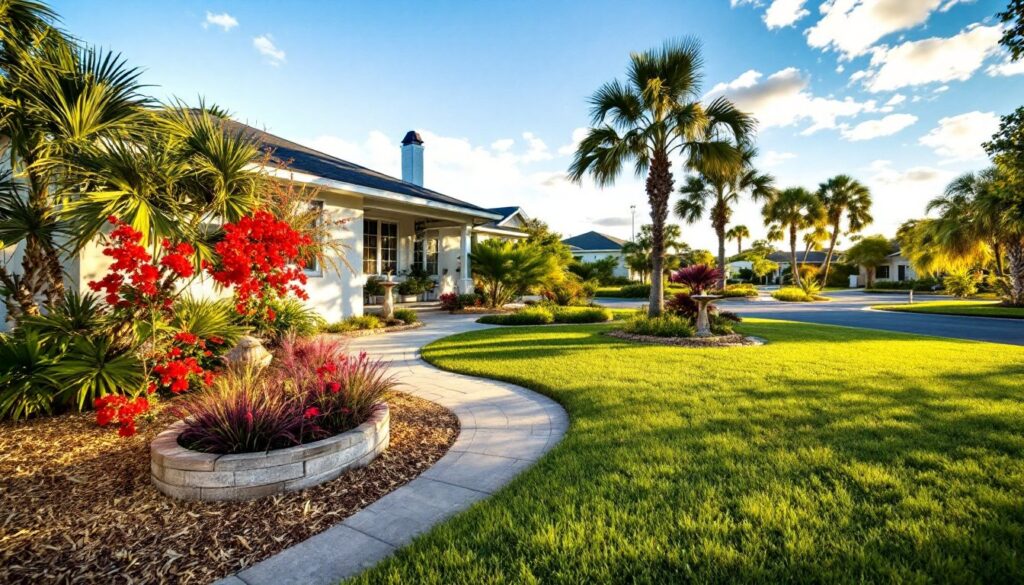
Cocoplum, live oak, and gumbo limbo thrive in Florida yards and provide structure year-round. For smaller accents, try coontie (a native cycad with feathery fronds) or muhly grass, which produces delicate purple plumes in fall. Ixora and pentas deliver bright color and attract pollinators, thriving in full sun or partial shade.
Earth tones and native plantings also mesh naturally with Florida’s landscape. Sabal palms, saw palmettos, and cabbage palms handle poor, sandy soil without heavy amendment. Rather than importing exotic material, native plants reduce maintenance and water demand, palmettos and saw palmettos need little more than initial establishment watering.
For seasonal interest, plant lantana (fire-engine-red or yellow blooms), salvia (tall spikes of purple or red), or blanket flower. These accept afternoon heat and drought better than hydrangeas or traditional shade-garden plants. Since they bloom spring through fall in Florida, they keep the front yard visually interesting for nine months or more.
Avoid common traps: no crepe myrtles (common pest issues and mildew in humid conditions), minimal azaleas (need acid soil and afternoon shade most Florida yards don’t offer), and skip lawns of fescue or bluegrass, they’ll thin out. Bahia, zoysia, or St. Augustine grass handle Florida heat: zoysia is more aesthetically refined if budget allows.
Water-Wise Landscaping Solutions for Florida Yards
Ironically, Florida gets plenty of rain but sandy soil drains fast, and summer storms don’t always come when plants need them. A water-wise front yard reduces irrigation demand and protects your plants during dry spells.
Xeriscaping and Drought-Resistant Design
Xeriscaping isn’t about desert plants, it’s about intelligent water management. Group plants by water needs (hydrozoning). Heat-loving perennials near the street, shade-tolerant shrubs closer to the house foundation, and thirstier specimens in shadier microclimates. This reduces waste and keeps plants healthier because they’re not over- or under-watered.
Mulch is non-negotiable. A 2–3 inch layer of pine straw or shredded hardwood over planting beds keeps soil temperature stable, reduces evaporation, and moderates the heavy rain runoff that sandy soil struggles to handle. Replace mulch annually: it decomposes quickly in Florida’s heat and humidity.
Install a drip irrigation system or soaker hoses on a timer set to early morning (4–6 AM), before sunrise. This approach delivers water directly to roots, minimizes evaporation, and beats hand-watering or impact sprinklers that waste water on hardscape. Drip systems cost $200–$500 for a typical front yard DIY installation, but they pay for themselves in water savings within one season.
Consider rain barrels connected to your roof downspouts. A 50–100 gallon barrel captures water during storms and supplies free irrigation during dry periods. This is particularly valuable in central and north Florida, where summer drought windows appear mid-season.
Creating Curb Appeal With Hardscaping Elements
Hardscape, walkways, edging, borders, and focal points, defines a front yard’s structure and look. Florida’s sandy, shifting soil means hardscape must be stable and low-maintenance.
Permeable pavers (not solid concrete) work best in Florida. They allow water infiltration, reducing pooling and runoff that erodes sandy soil. Pavers also stay cooler than solid concrete in summer sun. A simple front walkway of permeable pavers costs $8–$15 per square foot installed and drastically improves first impressions.
Edging prevents mulch from washing into the lawn during heavy rain. Install 4-inch landscape edging (plastic, composite, or steel) at bed perimeters. This small detail separates neat from neglected.
Focal points anchor the front yard. A small water feature (birdbath or recirculating fountain), large specimen plant in a raised planter, or ornamental urn draws the eye and invites visitors in. Raised planters also solve drainage issues in low-lying yards prone to standing water. A 2×8 raised bed (cedar or composite, $60–$150) filled with quality potting soil is far easier than amending compacted native soil.
When designing hardscape, match materials to your home’s architectural style. Modern homes suit clean lines and pavers: older Florida cottages work with shell mulch and rustic stone. Consistency between house and landscape multiplies curb appeal. Bricks for landscaping and stone edging are also proven choices for defining planting beds and pathways in ways that weather Florida’s weather.
Dealing With Florida’s Unique Landscaping Challenges
Florida landscaping must contend with challenges that northern gardeners never face. Heat, humidity, flooding, poor drainage, and sandy soil all test even experienced gardeners.
Flood Prevention and Soil Management
Flood risk is real, especially in coastal counties and areas with high water tables. Don’t plant directly in depression areas where water pools after rain. Instead, create swales (gentle, sloped drainage channels) or build raised beds to lift plantings above water level. In flood-prone zones, stick to flood-tolerant plants like bald cypress, river birch, or cinnamon fern, they handle periodic inundation.
Sandy soil is Florida’s default, and it’s poor at holding nutrients and moisture. Rather than replacing it entirely (expensive and often ineffective), amend the top 6–8 inches with compost. Work 2–3 inches of compost into planting beds before installing plants. This improves water retention and nutrient availability without wholesale soil replacement. Repeat annually as compost breaks down.
Insects and disease thrive in Florida’s humidity. Powdery mildew, scale insects, and fungal issues are common. Space plants for airflow (avoid crowding), mulch at soil level (not against stems), and water in early morning so foliage dries quickly. If problems arise, tolerate minor damage, Florida plants are tough and often recover without intervention. Avoid broad-spectrum pesticides: they harm beneficial insects and often aren’t necessary.
Salt spray is a coastal concern. Live oaks, cabbage palms, and ixora tolerate salt: avoid tender annuals and sensitive shrubs in beach-facing yards. If your home is within a mile of salt water, choose salt-tolerant species and rinse foliage occasionally to wash salt residue.
For curb appeal tailored to tight budgets, landscaping on a budget strategies like using native plants and mulch save hundreds while delivering professional results. Landscaping driveway ideas also help frame the approach to your home.